

Views: 220 Author: shunhehandtruck Publish Time: 2026-01-22 Origin: Site


Content Menu
● Understanding Industrial Hand Carts
>> Types of Industrial Hand Carts
● Key Factors to Consider When Choosing a Supplier
● Evaluating Supplier Reputation
>> 1. Customer Reviews and Testimonials
>> 3. Compliance with Standards
● Building a Relationship with Your Supplier
>> 1. What materials are best for industrial hand carts?
>> 2. How often should industrial hand carts be maintained?
>> 3. Can I customize my industrial hand cart?
>> 4. What safety features should I look for in a hand cart?
>> 5. How do I choose the right wheels for my hand cart?
When it comes to industrial operations, the efficiency of material handling can significantly impact productivity and safety. One essential tool in this process is the industrial hand cart. Choosing a reliable supplier for these carts is crucial for ensuring that your operations run smoothly. This article explores the key factors customers consider when selecting a dependable industrial hand cart supplier.
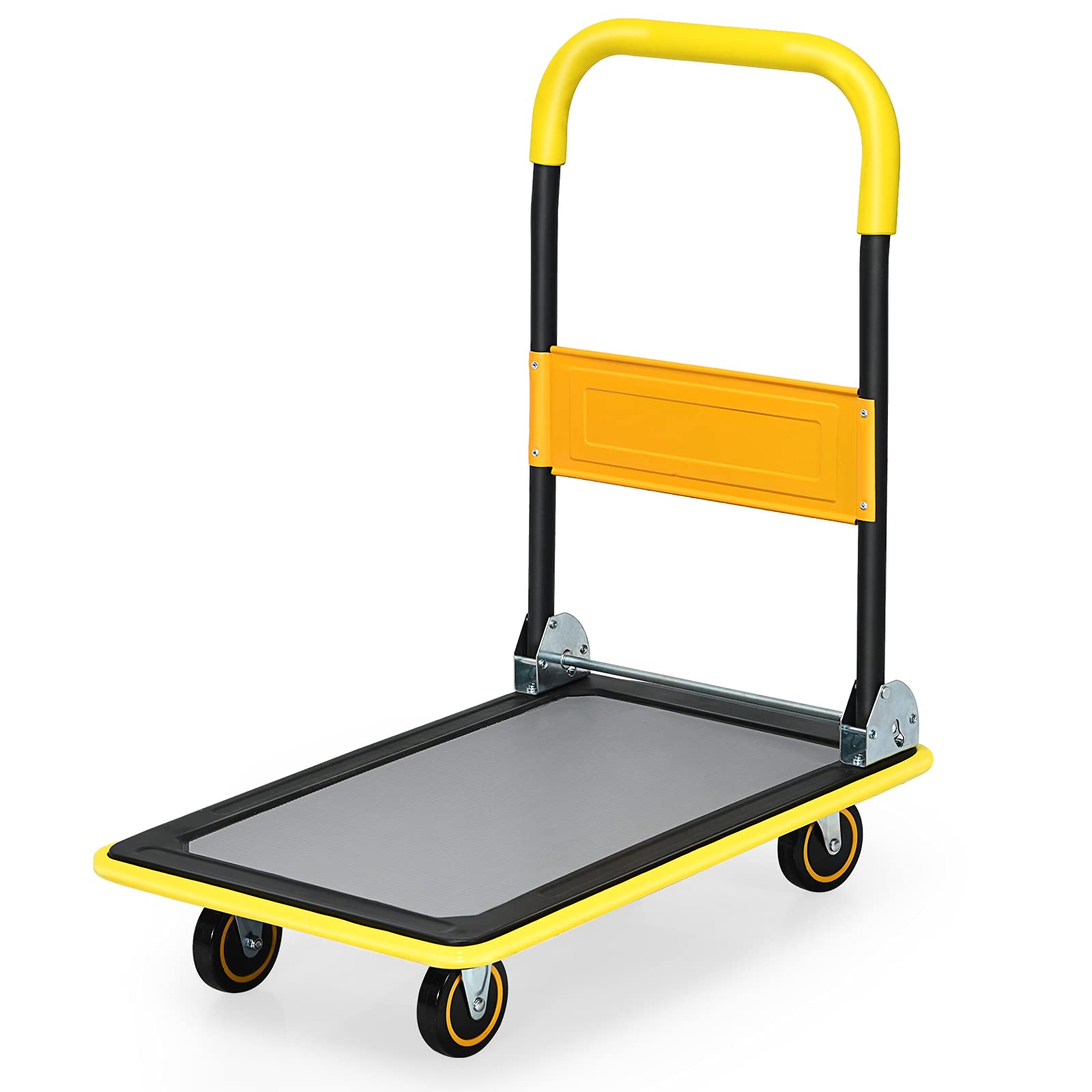
Industrial hand carts are designed to facilitate the movement of goods within various environments, including warehouses, factories, and retail spaces. They come in various designs and materials, tailored to meet specific operational needs. Understanding the different types of hand carts available is the first step in making an informed purchasing decision.
1. Platform Carts: These are flat carts with no sides, ideal for transporting large, bulky items.
2. Utility Carts: Often multi-tiered, these carts are versatile and can carry various items.
3. Stair Climbing Carts: Designed with additional wheels, these carts can easily navigate stairs, making them essential for multi-level operations.
4. Folding Carts: These are compact and can be stored easily when not in use, perfect for businesses with limited space.
The foremost consideration for customers is the quality of the hand carts. A reliable supplier should offer products made from durable materials that can withstand heavy use. Steel and aluminum are common materials, with steel providing strength and aluminum offering lightweight portability. Customers should look for suppliers who provide detailed specifications about the materials used in their carts.
Every business has unique needs, and a one-size-fits-all approach may not be effective. A good supplier should offer customization options, allowing customers to tailor carts to their specific requirements. This could include modifications in size, load capacity, and additional features like shelves or hooks.
Safety is paramount in any industrial setting. Customers should look for suppliers that prioritize safety features in their hand carts. This includes non-slip surfaces, secure handles, and effective braking systems. Suppliers should also provide information on how their products comply with safety standards.
Ergonomically designed carts can significantly reduce the risk of injury among workers. Suppliers should offer carts with features that enhance user comfort, such as adjustable handles and easy maneuverability. Customers should inquire about the ergonomic design of the carts to ensure they meet the needs of their workforce.
A reliable supplier should stand behind their products with a solid warranty and customer support. This not only protects the investment but also provides peace of mind. Customers should ask about the warranty terms and the availability of support for maintenance and repairs.
One of the best ways to gauge a supplier's reliability is through customer reviews and testimonials. Prospective buyers should seek out feedback from other businesses that have purchased hand carts from the supplier. Positive reviews can indicate a supplier's commitment to quality and customer service.
Experience in the industry can be a strong indicator of a supplier's reliability. Suppliers with a long history in the market are likely to have established relationships with manufacturers and a better understanding of customer needs. Customers should consider suppliers who have been in the business for several years.
Suppliers should comply with industry standards and regulations. This includes safety standards and environmental regulations. Customers should verify that the supplier's products meet these requirements, ensuring that they are purchasing safe and compliant equipment.
While cost is an important factor, it should not be the sole determinant in choosing a supplier. Customers should consider the total cost of ownership, which includes initial purchase price, maintenance costs, and the expected lifespan of the carts. Sometimes, investing in higher-quality carts from a reputable supplier can lead to lower long-term costs.
Customers should obtain quotes from multiple suppliers to compare prices. However, it is essential to ensure that the quotes are for similar products with comparable specifications. This will help in making an informed decision based on value rather than just price.
Customers should be aware of potential hidden costs, such as shipping fees, taxes, and additional charges for customization. A transparent supplier will provide a clear breakdown of all costs involved in the purchase.
Establishing a good relationship with a supplier can lead to better service and support. Customers should look for suppliers who are willing to engage in open communication and provide ongoing support. This relationship can be beneficial for future purchases and any necessary adjustments to existing orders.
Effective communication is key to a successful supplier relationship. Customers should feel comfortable discussing their needs and concerns with the supplier. A responsive supplier who listens to customer feedback is more likely to provide satisfactory service.
Consider suppliers who are interested in building long-term partnerships. This can lead to better pricing, priority service, and a deeper understanding of the customer's evolving needs.
Choosing a reliable industrial hand cart supplier is a critical decision that can impact the efficiency and safety of operations. By considering factors such as product quality, customization options, safety features, and supplier reputation, customers can make informed choices that align with their business needs. Establishing a strong relationship with a supplier can further enhance the benefits of this partnership, leading to improved operational efficiency and worker safety.

Steel is known for its strength and durability, while aluminum is lightweight and resistant to corrosion. The choice depends on the specific needs of your operation.
Regular inspections should be conducted monthly or quarterly, depending on usage. This includes checking for wear on wheels and ensuring all components are functioning correctly.
Yes, many suppliers offer customization options to meet specific business needs, including size, load capacity, and additional features.
Look for non-slip surfaces, secure handles, effective braking systems, and compliance with safety standards to ensure safe operation.
The wheel type should match the surface where the cart will be used. Rubber wheels are ideal for smooth indoor surfaces, while pneumatic wheels are better for rough or outdoor terrains.
Hot Tags: China, Global, OEM, private label, manufacturers, factory, suppliers, manufacturing company