

Views: 220 Author: shunhehandtruck Publish Time: 2025-11-30 Origin: Site


Content Menu
● Understanding Two-Wheel Hand Trolleys
>> What Are Two-Wheel Hand Trolleys?
>> The Evolution of Hand Trolleys
● The Role of Two-Wheel Hand Trolleys in Logistics
>> Versatility Across Industries
● Current Trends in Two-Wheel Hand Trolleys
>> Sustainability Considerations
>> Customization and Specialization
● Applications of Two-Wheel Hand Trolleys
>> Warehousing and Distribution
● Challenges and Considerations
● The Future of Two-Wheel Hand Trolleys
>> Integration with Supply Chain Management
In the fast-paced world of logistics, efficiency and adaptability are paramount. Among the various tools that facilitate the movement of goods, two-wheel hand trolleys have emerged as indispensable assets. This article explores the trends and applications of two-wheel hand trolleys in modern logistics, highlighting their significance in enhancing operational efficiency and reducing labor costs.
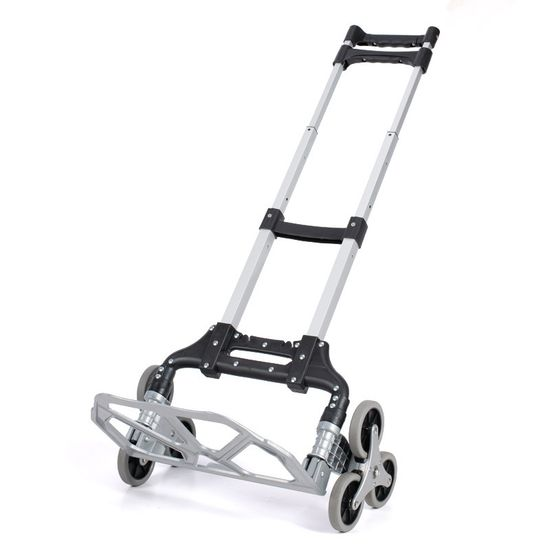
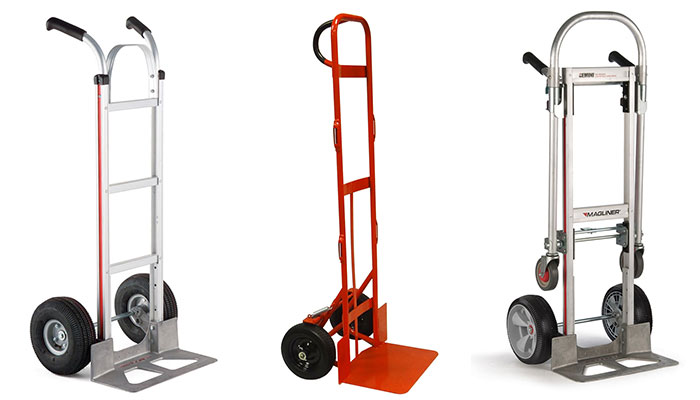
Two-wheel hand trolleys, often referred to as hand trucks or dollies, are simple yet effective tools designed to transport heavy loads with minimal effort. They typically consist of a frame, two wheels, and a platform or base for carrying items. The ergonomic design allows users to tilt the trolley back, leveraging the wheels to move heavy items with ease.
Historically, hand trolleys have been used in various industries, from retail to manufacturing. The design has evolved significantly over the years, incorporating materials like aluminum and reinforced plastics to enhance durability and reduce weight. Modern trolleys often feature ergonomic handles, adjustable heights, and specialized attachments for different types of loads, making them versatile tools in logistics.
In logistics, time is money. Two-wheel hand trolleys streamline the process of moving goods, allowing workers to transport multiple items at once. This efficiency is particularly crucial in warehouses and distribution centers, where quick turnaround times are essential. By reducing the number of trips needed to move items, trolleys help optimize workflow and increase productivity.
Labor costs are a significant concern for logistics companies. By utilizing two-wheel hand trolleys, companies can minimize the physical strain on workers, reducing the risk of injuries and associated costs. Moreover, with the ability to move heavier loads more easily, fewer workers are needed for the same tasks, leading to further cost savings.
Two-wheel hand trolleys are not limited to a single industry. They find applications in various sectors, including retail, manufacturing, and healthcare. In retail, for instance, they are used to restock shelves and transport merchandise. In manufacturing, they assist in moving raw materials and finished products. In healthcare, they are essential for transporting medical supplies and equipment.
The integration of technology into logistics has led to significant advancements in the design and functionality of two-wheel hand trolleys. Smart trolleys equipped with sensors can monitor load weight and provide real-time data to operators, enhancing safety and efficiency. Additionally, some models feature electric assistance, allowing users to move heavier loads with less effort.
As sustainability becomes a priority for many companies, the demand for eco-friendly materials in the production of hand trolleys is on the rise. Manufacturers are increasingly using recycled materials and designing trolleys that are easier to recycle at the end of their life cycle. This shift not only reduces environmental impact but also appeals to consumers who prioritize sustainability.
With the diverse needs of different industries, there is a growing trend towards customization in the design of two-wheel hand trolleys. Companies are seeking trolleys that can be tailored to specific applications, such as those designed for transporting fragile items or those that can handle extreme temperatures. This specialization enhances the utility of hand trolleys in various logistics scenarios.
In warehousing and distribution centers, two-wheel hand trolleys are essential for moving goods efficiently. They are used to transport boxes, pallets, and other items from one location to another, facilitating quick and organized operations. The ability to stack items on the trolley maximizes space and minimizes the number of trips required.
In retail settings, two-wheel hand trolleys play a crucial role in inventory management. Store employees use them to restock shelves, transport promotional displays, and move merchandise during sales events. Their maneuverability allows for easy navigation through crowded aisles, ensuring that products are readily available to customers.
On construction sites, two-wheel hand trolleys are invaluable for transporting tools, materials, and equipment. Their robust design allows them to handle heavy loads, making them ideal for moving items like bricks, tiles, and machinery. This capability enhances productivity on-site, as workers can quickly move necessary materials without excessive physical strain.
In healthcare facilities, two-wheel hand trolleys are used to transport medical supplies, equipment, and even patients in some cases. Their design allows for easy maneuverability in tight spaces, such as hospital corridors and examination rooms. This efficiency is critical in ensuring that healthcare providers can deliver timely care.
While two-wheel hand trolleys offer numerous benefits, safety remains a significant concern. Improper use can lead to accidents, such as tipping over or dropping loads. It is essential for companies to provide training on the correct use of trolleys and to ensure that they are regularly maintained to prevent malfunctions.
Each two-wheel hand trolley has a specified load capacity, and exceeding this limit can lead to damage or injury. Companies must assess their needs and select trolleys that can handle the expected loads. Additionally, workers should be trained to recognize the limitations of the equipment they are using.
Regular maintenance is crucial for ensuring the longevity of two-wheel hand trolleys. Companies should implement a maintenance schedule that includes checking wheels, handles, and frames for wear and tear. Investing in high-quality trolleys can also reduce the frequency of replacements and repairs.
As logistics continues to evolve, the future of two-wheel hand trolleys looks promising. Innovations such as automated trolleys and those equipped with advanced navigation systems are on the horizon. These developments could further enhance efficiency and reduce the physical demands placed on workers.
The integration of two-wheel hand trolleys into broader supply chain management systems is likely to increase. By connecting trolleys with inventory management software, companies can track the movement of goods in real-time, improving overall logistics efficiency. This integration will enable better planning and resource allocation.
As awareness of workplace ergonomics grows, the design of two-wheel hand trolleys will likely continue to evolve. Manufacturers will focus on creating trolleys that minimize strain on users, incorporating features such as adjustable handles and lightweight materials. This emphasis on ergonomics will enhance user comfort and safety.
Two-wheel hand trolleys are essential tools in modern logistics, offering numerous benefits in terms of efficiency, cost savings, and versatility. As trends continue to evolve, these trolleys will play an increasingly important role in various industries. By understanding their applications and addressing potential challenges, companies can leverage the advantages of two-wheel hand trolleys to enhance their logistics operations.
1. What are the main benefits of using two-wheel hand trolleys in logistics?
- Two-wheel hand trolleys enhance efficiency, reduce labor costs, and are versatile across various industries.
2. How can companies ensure the safety of workers using hand trolleys?
- Companies should provide training on proper usage and conduct regular maintenance checks to prevent accidents.
3. What materials are commonly used in the construction of two-wheel hand trolleys?
- Common materials include aluminum, steel, and reinforced plastics, which offer durability and lightweight properties.
4. Can two-wheel hand trolleys be customized for specific applications?
- Yes, many manufacturers offer customization options to meet the unique needs of different industries.
5. What trends are shaping the future of two-wheel hand trolleys?
- Key trends include technological advancements, sustainability considerations, and a focus on ergonomic design.
Hot Tags: China, Global, OEM, private label, manufacturers, factory, suppliers, manufacturing company