

Views: 220 Author: shunhehandtruck Publish Time: 2026-01-21 Origin: Site


Content Menu
>> The Importance of Ergonomics in Manufacturing
● The Evolution of Ladder Cart Design
● Key Ergonomic Features in Ladder Carts
>> Stability and Load Distribution
● The Impact of Ergonomics on Safety
>> Reducing Workplace Injuries
>> Compliance with Safety Standards
● Enhancing Productivity Through Ergonomics
● Case Studies: Successful Ergonomic Implementations
>> Company A: Reducing Injury Rates
>> Company B: Boosting Efficiency
● Future Trends in Ergonomic Ladder Cart Design
>> Smart Technology Integration
>> 1. What are the key ergonomic features to look for in a ladder cart?
>> 2. How do ergonomic ladder carts reduce workplace injuries?
>> 3. What impact does ergonomics have on productivity?
>> 4. Are there any future trends in ladder cart design?
>> 5. How can companies measure the effectiveness of ergonomic ladder carts?
In the fast-paced world of manufacturing, the importance of ergonomics cannot be overstated. Ergonomics, the science of designing tools and workspaces to fit the capabilities and limitations of workers, plays a crucial role in enhancing productivity, safety, and comfort. This article explores the role of ergonomics in modern ladder cart manufacturing, highlighting how ergonomic designs can lead to improved efficiency and reduced injury rates.
Ergonomics is the study of how people interact with their environment, particularly in the workplace. It involves designing tools, equipment, and workspaces that accommodate the physical and cognitive abilities of workers. The goal is to create a safe and efficient work environment that minimizes the risk of injury and enhances productivity.
In manufacturing, ergonomics is essential for several reasons:
- Injury Prevention: Poorly designed tools and workspaces can lead to musculoskeletal disorders (MSDs), which are common in manufacturing settings. Ergonomic designs help reduce the risk of these injuries.
- Increased Productivity: When workers are comfortable and can perform tasks efficiently, productivity increases. Ergonomic tools and equipment can streamline processes and reduce fatigue.
- Employee Satisfaction: A focus on ergonomics can lead to higher job satisfaction and lower turnover rates. Employees are more likely to stay with a company that prioritizes their well-being.
Ladder carts have been used in various industries for decades, primarily for transporting materials and tools. However, traditional designs often overlooked ergonomic principles, leading to discomfort and injuries among users. As awareness of ergonomics grew, manufacturers began to rethink ladder cart designs.
Today, ladder carts are designed with ergonomics in mind. Key innovations include:
- Adjustable Heights: Many modern ladder carts feature adjustable heights, allowing users of different sizes to operate them comfortably. This reduces the need for awkward bending or reaching.
- Lightweight Materials: The use of lightweight materials, such as aluminum, makes it easier for workers to maneuver carts without excessive effort. This is particularly important in environments where carts are frequently moved.
- Ergonomic Handles: Handles are designed to fit comfortably in the user's hand, reducing strain during use. Some designs even include soft grips to enhance comfort.
One of the most significant ergonomic features in modern ladder carts is the adjustable handle. This allows users to set the handle height according to their preference, promoting a natural posture and reducing the risk of back strain.
The wheels of a ladder cart play a crucial role in its maneuverability. Ergonomically designed wheels, such as those with ball bearings, allow for smooth movement across various surfaces. This reduces the physical effort required to push or pull the cart, minimizing fatigue.
A well-designed ladder cart should provide stability, especially when loaded. Features such as a low center of gravity and wide bases help prevent tipping, ensuring that workers can transport materials safely. Additionally, proper load distribution is essential to maintain balance and reduce strain on the user.
Incorporating ergonomic principles into ladder cart design significantly reduces the risk of workplace injuries. Studies have shown that ergonomic tools can lower the incidence of MSDs, which are often caused by repetitive motions, awkward postures, and heavy lifting.
Manufacturers are increasingly required to comply with safety standards set by organizations such as OSHA (Occupational Safety and Health Administration). Ergonomic designs not only help meet these standards but also promote a culture of safety within the workplace.
Ergonomically designed ladder carts can streamline operations by allowing workers to move materials more efficiently. This is particularly important in fast-paced environments where time is of the essence.
By minimizing physical strain, ergonomic designs help reduce fatigue among workers. This leads to improved focus and productivity, as employees can perform tasks without the distraction of discomfort or pain.
Company A, a manufacturing firm, implemented ergonomic ladder carts in their production line. As a result, they reported a 30% reduction in workplace injuries related to material handling. Workers expressed higher satisfaction levels, leading to improved morale and productivity.
Company B adopted ergonomic ladder carts with adjustable heights and lightweight materials. This change resulted in a 25% increase in efficiency, as workers could transport materials more quickly and with less effort. The company also noted a decrease in employee turnover, attributed to the improved working conditions.
The future of ladder cart design may involve the integration of smart technologies. Features such as sensors to monitor load weight and alerts for safe lifting practices could enhance safety and efficiency.
As sustainability becomes a priority in manufacturing, the use of eco-friendly materials in ladder cart production is likely to increase. Ergonomic designs that also consider environmental impact will be essential for future developments.
Customization will play a significant role in the future of ladder cart design. Manufacturers may offer tailored solutions to meet the specific needs of different industries, ensuring that ergonomic principles are applied effectively.
The role of ergonomics in modern ladder cart manufacturing is vital for enhancing safety, productivity, and employee satisfaction. As manufacturers continue to innovate and prioritize ergonomic designs, the benefits will extend beyond individual workers to the overall efficiency of operations. By investing in ergonomic ladder carts, companies can create a safer and more productive work environment.
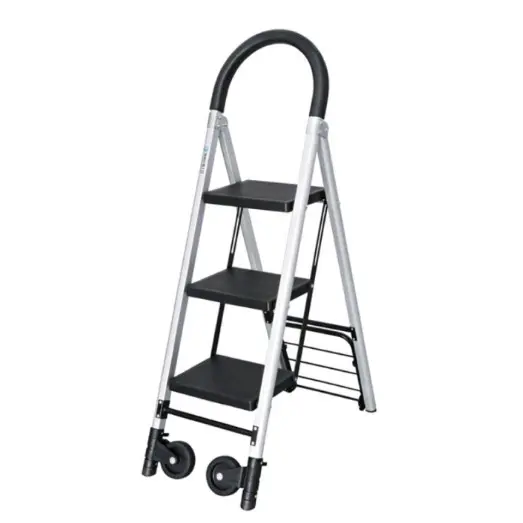
Key features include adjustable heights, lightweight materials, and ergonomic handles that reduce strain during use.
They minimize awkward postures and physical strain, which are common causes of musculoskeletal disorders.
Ergonomic designs enhance comfort and efficiency, leading to reduced fatigue and increased productivity among workers.
Future trends may include smart technology integration, sustainable materials, and customization options to meet specific industry needs.
Companies can track injury rates, employee satisfaction, and productivity levels before and after implementing ergonomic designs.
Hot Tags: China, Global, OEM, private label, manufacturers, factory, suppliers, manufacturing company