

Views: 220 Author: shunhehandtruck Publish Time: 2025-12-30 Origin: Site


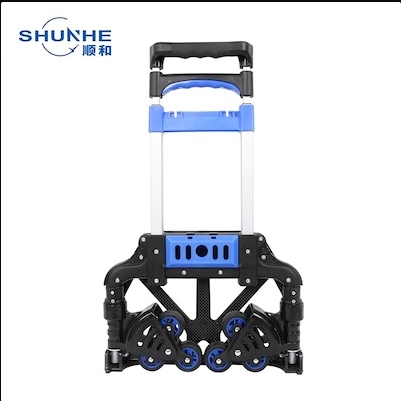
Content Menu
>> What Are Single-Tier Trolleys?
>>> Advantages of Single-Tier Trolleys
>>> Disadvantages of Single-Tier Trolleys
>> What Are Multi-Tier Trolleys?
>>> Advantages of Multi-Tier Trolleys
>>> Disadvantages of Multi-Tier Trolleys
● Efficiency in Material Handling
>> How Trolley Design Affects Workflow
>>> Case Study: Order Picking Efficiency
>> Load Capacity and Its Importance
● Choosing the Right Trolley for Your Needs
In the world of material handling, the choice between multi-tier and single-tier trolleys can significantly impact operational efficiency. This article explores the differences between these two types of trolleys, their advantages and disadvantages, and how they can affect workflow in various settings.
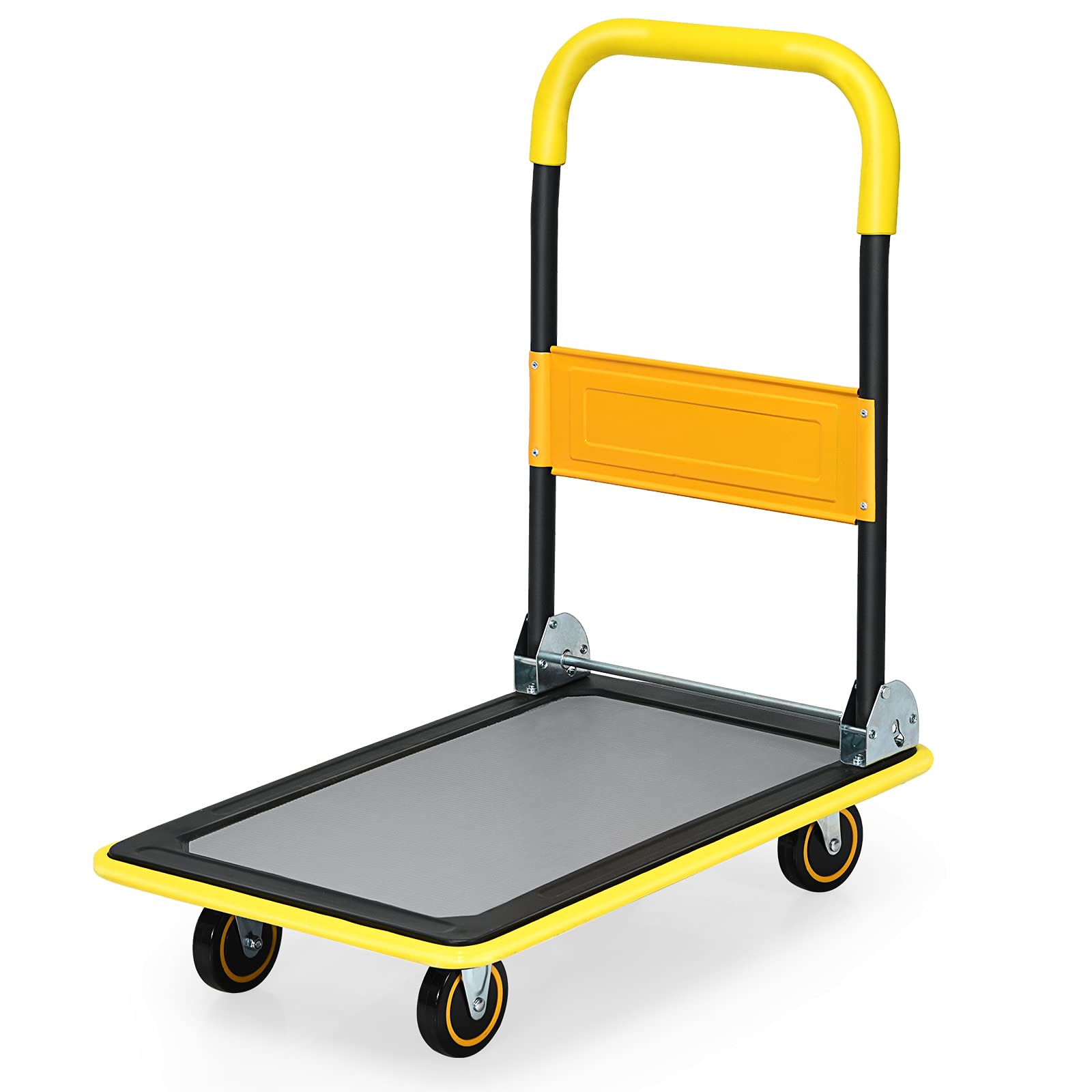
Single-tier trolleys are designed with a single level of shelving, making them ideal for transporting larger items or a smaller quantity of goods. They typically feature a flat surface or a single shelf, allowing for easy loading and unloading.
1. Simplicity: The straightforward design makes them easy to use and maneuver.
2. Stability: With a lower center of gravity, single-tier trolleys are less likely to tip over, making them safer for transporting heavy loads.
3. Cost-Effective: Generally, single-tier trolleys are less expensive than their multi-tier counterparts, making them a budget-friendly option for many businesses.
1. Limited Capacity: They can only carry a limited number of items at once, which may require multiple trips for larger orders.
2. Inefficient Use of Space: In environments where vertical space is available, single-tier trolleys do not utilize that space effectively.
Multi-tier trolleys, on the other hand, come with multiple levels of shelving, allowing for the transportation of a larger number of items simultaneously. These trolleys are designed to maximize vertical space, making them particularly useful in warehouses and retail environments.
1. Increased Capacity: They can hold more items, reducing the number of trips needed to transport goods.
2. Improved Organization: Multi-tier trolleys allow for better organization of items, which can streamline the picking and packing process.
3. Space Efficiency: By utilizing vertical space, these trolleys can help maximize storage capacity in warehouses.
1. Complexity: The design can be more complex, which may require additional training for staff to use effectively.
2. Stability Concerns: With a higher center of gravity, multi-tier trolleys can be more prone to tipping, especially when loaded unevenly.
The design of a trolley can significantly impact workflow efficiency in a warehouse or retail environment. For instance, multi-tier trolleys can facilitate simultaneous order picking, allowing workers to fulfill multiple orders at once. This can drastically reduce travel time and improve overall productivity.
In a busy warehouse, a team using multi-tier trolleys reported a 30% reduction in order picking time compared to those using single-tier trolleys. The ability to transport multiple orders simultaneously allowed workers to focus on packing rather than making multiple trips.
When selecting a trolley, load capacity is a critical factor. A trolley that is too small will require multiple trips, wasting time and increasing physical strain on workers. Conversely, a trolley that is too large can become unwieldy and hard to manage.
The ideal trolley strikes a balance between being large enough to handle peak loads while remaining compact enough for efficient handling. This balance is crucial in environments with narrow aisles or mixed-use spaces.
When deciding between multi-tier and single-tier trolleys, consider the following factors:
1. Type of Goods: What items will you be transporting? Larger, bulkier items may be better suited for single-tier trolleys, while smaller items can benefit from the organization of multi-tier trolleys.
2. Warehouse Layout: The design of your workspace can influence your choice. Narrow aisles may require more maneuverable trolleys.
3. Frequency of Use: If trolleys will be used frequently, investing in multi-tier options may provide better long-term efficiency.
While multi-tier trolleys often come with a higher initial investment, they can lead to significant long-term savings by increasing storage capacity and improving efficiency. It's essential to weigh the upfront costs against potential returns on investment.
In conclusion, both multi-tier and single-tier trolleys have their unique advantages and disadvantages. The choice between them should be based on specific operational needs, including the types of goods being transported, warehouse layout, and budget constraints. By carefully considering these factors, businesses can enhance their material handling efficiency and improve overall productivity.
1. What is the primary advantage of multi-tier trolleys?
- Multi-tier trolleys allow for the transportation of more items at once, reducing the number of trips needed and improving efficiency.
2. Are single-tier trolleys safer than multi-tier trolleys?
- Yes, single-tier trolleys generally have a lower center of gravity, making them less likely to tip over.
3. How do I determine the right load capacity for my trolley?
- Consider the types of items you will be transporting and the maximum weight you expect to handle during peak operations.
4. Can multi-tier trolleys be customized for specific needs?
- Yes, many manufacturers offer customization options for multi-tier trolleys to suit specific operational requirements.
5. What factors should I consider when choosing between single-tier and multi-tier trolleys?
- Consider the type of goods, warehouse layout, frequency of use, and budget constraints when making your decision.
Hot Tags: China, Global, OEM, private label, manufacturers, factory, suppliers, manufacturing company