

Views: 220 Author: shunhehandtruck Publish Time: 2025-12-30 Origin: Site


Content Menu
>> What is an Electric Trolley?
● Key Differences Between Manual and Electric Trolleys
>> 2. Cost
● Factors to Consider When Choosing a Trolley
>> 1. Type of Goods Transported
>> Warehouses and Industrial Settings
>> Golf Courses
● Pros and Cons of Manual and Electric Trolleys
>>> Pros:
>>> Cons:
>>> Pros:
>>> Cons:
>> 1. What is the main advantage of using an electric trolley?
>> 2. Are manual trolleys more cost-effective?
>> 3. Can electric trolleys be used on uneven terrain?
>> 4. How do I maintain an electric trolley?
>> 5. Which trolley is better for a small retail store?
When it comes to transporting goods, whether in a warehouse, a retail environment, or even on a golf course, choosing the right trolley can significantly impact efficiency and ease of use. Manual and electric trolleys each have their unique advantages and disadvantages, making the decision a crucial one. This article will explore the differences between manual and electric trolleys, helping you determine which option best suits your needs.
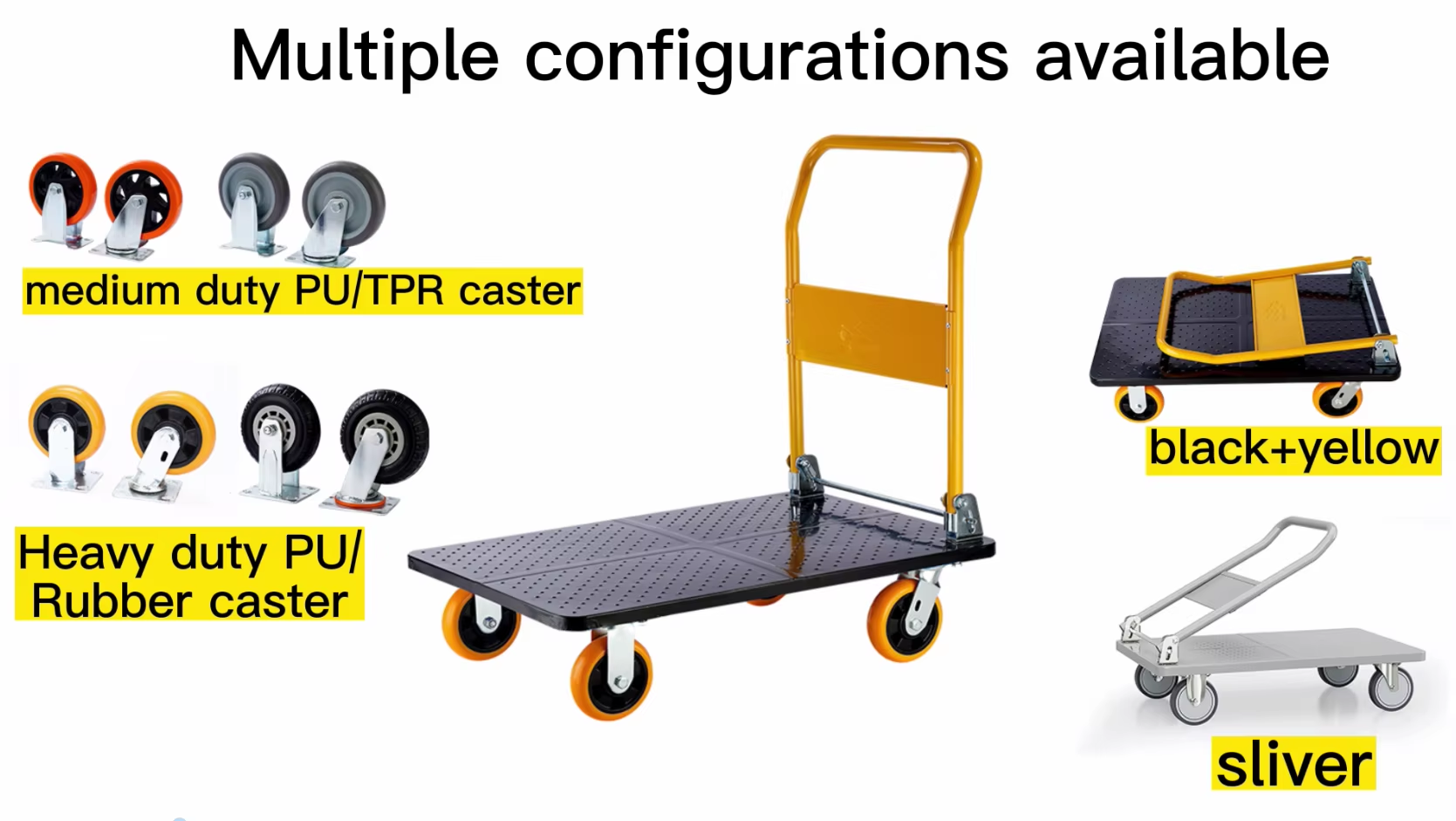
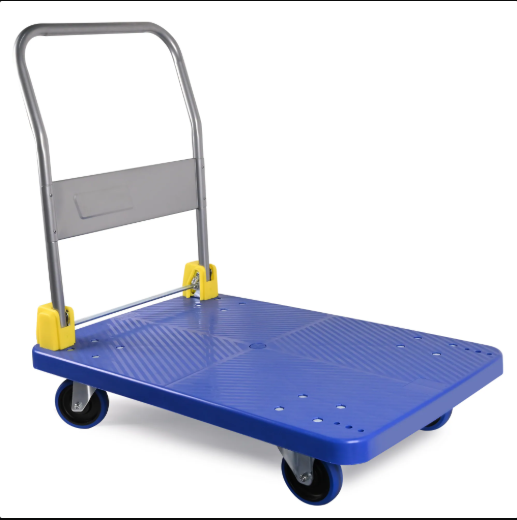
A manual trolley is a simple, non-motorized device designed to assist in the transportation of goods. Users push or pull these trolleys, relying on their physical strength to move items from one location to another. Manual trolleys come in various designs, including flatbed trolleys, platform trolleys, and specialized models for specific tasks.
Electric trolleys, on the other hand, are powered by electric motors, allowing them to move heavy loads with minimal physical effort. These trolleys often come equipped with features such as remote controls, adjustable speeds, and sometimes even advanced navigation systems. Electric trolleys are particularly useful in environments where heavy lifting is frequent or where efficiency is paramount.
- Manual Trolleys: Operated entirely by human power, requiring physical effort to push or pull.
- Electric Trolleys: Powered by batteries or electricity, reducing the physical strain on the user.
- Manual Trolleys: Generally more affordable upfront, making them accessible for small businesses or occasional use.
- Electric Trolleys: Higher initial investment due to the motor and battery, but can lead to long-term savings through increased efficiency.
- Manual Trolleys: Require minimal maintenance, primarily involving inspections and occasional repairs.
- Electric Trolleys: More complex, requiring regular battery charging and potential motor maintenance.
- Manual Trolleys: Suitable for lighter loads; the user's strength limits the weight that can be moved.
- Electric Trolleys: Designed to handle heavier loads, making them ideal for warehouses and industrial settings.
- Manual Trolleys: May require more physical effort, which can be a drawback for users with limited strength or mobility.
- Electric Trolleys: Easier to operate, especially for transporting heavy or bulky items over long distances.
Consider the weight and size of the items you need to transport. For heavy or bulky items, electric trolleys are often the better choice. Manual trolleys work well for lighter loads or smaller items.
If you need to transport goods frequently throughout the day, an electric trolley may save time and reduce physical strain. For occasional use, a manual trolley might suffice.
Evaluate your budget not only for the initial purchase but also for ongoing maintenance and operational costs. Manual trolleys are typically less expensive, while electric trolleys may offer savings in labor costs over time.
Consider the environment in which the trolley will be used. Electric trolleys are often better suited for larger spaces or uneven terrain, while manual trolleys can be more effective in smaller, flat areas.
In workplaces where ergonomics and safety are priorities, electric trolleys can help reduce the risk of injury associated with heavy lifting and repetitive strain.
In a retail setting, manual trolleys are often used for moving stock within a single floor. They are easy to maneuver in tight spaces and can be quickly deployed for short tasks. However, in larger stores or warehouses, electric trolleys can facilitate faster and more efficient stock movement, especially when transporting heavy items.
Electric trolleys shine in warehouses where heavy lifting is common. They can transport goods across long distances with ease, reducing the physical toll on workers. Manual trolleys may still be used for lighter items or in areas where electric trolleys cannot operate effectively.
In the realm of golf, players often face the choice between manual push carts and electric trolleys. Manual carts are lightweight and easy to handle, making them a popular choice for those who enjoy walking the course. Electric trolleys, however, offer convenience and allow players to conserve energy for their game, especially on hilly courses.
- Lower initial cost
- Lightweight and easy to store
- Minimal maintenance required
- Good for light to medium loads
- Requires physical effort
- Limited load capacity
- Not ideal for long distances or heavy items
- Reduces physical strain
- Handles heavier loads efficiently
- Ideal for long distances and uneven terrain
- Often equipped with advanced features
- Higher upfront cost
- Requires regular maintenance and charging
- Heavier and less portable than manual trolleys
Choosing between manual and electric trolleys ultimately depends on your specific needs, budget, and the environment in which they will be used. Manual trolleys are excellent for light, occasional use, while electric trolleys provide efficiency and ease of use for heavier, more frequent transport tasks. By carefully evaluating your requirements, you can select the trolley that best suits your operational needs.
Electric trolleys significantly reduce physical strain and can handle heavier loads over longer distances, making them ideal for industrial and warehouse settings.
Yes, manual trolleys typically have a lower initial purchase price and require less maintenance, making them a budget-friendly option for light transport needs.
Many electric trolleys are designed to handle uneven terrain, but it's essential to check the specifications of the model to ensure it meets your needs.
Regular maintenance includes charging the battery, checking the motor, and inspecting the wheels and frame for wear and tear.
For a small retail store, a manual trolley may be more suitable due to its lower cost and ease of maneuverability in tight spaces.
Hot Tags: China, Global, OEM, private label, manufacturers, factory, suppliers, manufacturing company