

Views: 220 Author: shunhehandtruck Publish Time: 2026-01-06 Origin: Site


Content Menu
>> Understanding Load Capacity
● Addressing Rust and Corrosion
>> Preparing for Seasonal Changes
Trolleys are essential tools in various settings, from warehouses to shopping centers, and even in our homes. They help us transport goods efficiently, but like any equipment, they require proper maintenance to ensure longevity and optimal performance. This article provides comprehensive maintenance tips to extend the life of your trolley, ensuring it remains reliable and functional for years to come.
Before diving into maintenance tips, it's crucial to understand the different types of trolleys and their components. Trolleys can vary significantly in design and purpose, including:
- Hand Trolleys: Used for manual transport of goods.
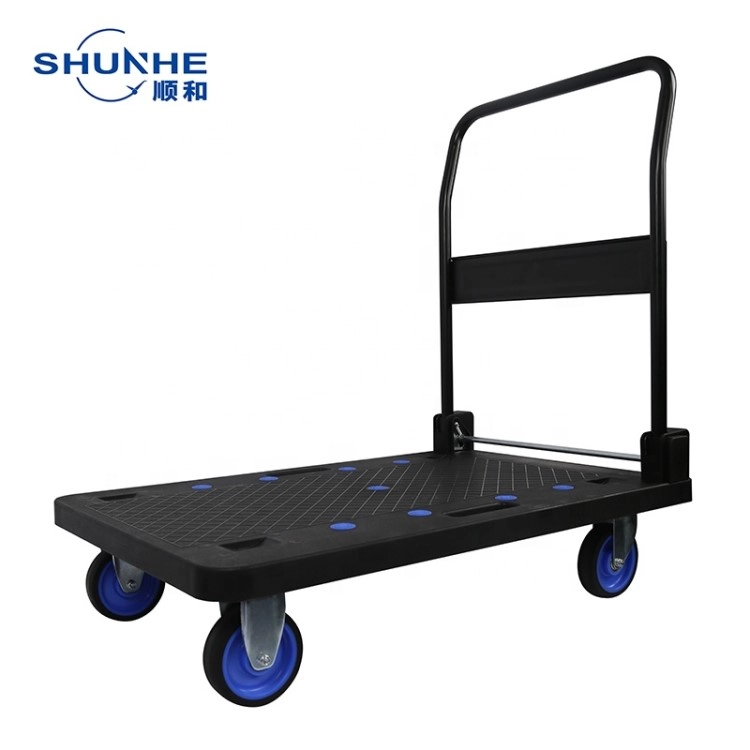
- Platform Trolleys: Flat surfaces for carrying larger items.
- Shopping Trolleys: Commonly found in supermarkets for customer convenience.
- Warehouse Trolleys: Designed for heavy-duty use in industrial settings.
Each type of trolley has unique features and maintenance needs, but the fundamental principles of care remain consistent.
Regular cleaning is vital for maintaining your trolley's functionality. Dirt, dust, and debris can accumulate, leading to wear and tear on moving parts. A clean trolley not only looks better but also performs better.
1. Wipe Down Surfaces: Use a damp cloth to clean the frame and handles. Avoid harsh chemicals that could damage the finish.
2. Clean the Wheels: Remove any debris lodged in the wheels. This ensures smooth operation and prevents unnecessary strain on the trolley.
3. Inspect for Damage: While cleaning, check for any signs of wear, such as cracks or rust, especially on metal parts.
Lubrication is essential for reducing friction between moving parts, which can lead to premature wear. Regularly lubricating your trolley helps maintain its efficiency and extends its lifespan.
1. Identify Lubrication Points: Common areas include wheel bearings, axles, and pivot points.
2. Choose the Right Lubricant: Use a lubricant suitable for the trolley's material. For heavy-duty trolleys, industrial-grade lubricants are recommended, while lighter models may only need standard oils.
3. Frequency of Lubrication: Depending on usage, lubricate moving parts every few weeks or after heavy use.
Storing your trolley correctly can significantly impact its longevity. Here are some best practices:
1. Dry Location: Always store trolleys in a dry area to prevent rust and corrosion.
2. Avoid Stacking: Do not stack heavy items on top of the trolley, as this can cause structural damage.
3. Fold When Possible: If your trolley is foldable, store it in a compact position to save space and protect it from damage.
Conducting regular inspections helps identify potential issues before they become significant problems. This proactive approach can save time and money in repairs.
1. Wheels and Tires: Check for wear, cracks, or foreign objects. Ensure they rotate smoothly.
2. Frame and Handle: Look for any signs of bending or damage.
3. Safety Mechanisms: Ensure all safety features are functioning correctly.
Every trolley has a specified load capacity. Overloading can lead to structural damage and safety hazards.
1. Know Your Limits: Familiarize yourself with the maximum load capacity of your trolley.
2. Distribute Weight Evenly: When using multiple trolleys, distribute heavy loads evenly to prevent strain on individual units.
Rust can significantly shorten the lifespan of your trolley, especially if it is made of metal.
1. Regular Cleaning: Keep the trolley clean and dry to prevent moisture accumulation.
2. Use Rust-Resistant Coatings: Consider applying rust-resistant paint or coatings to metal surfaces.
3. Inspect for Rust: Regularly check for signs of rust and address them immediately to prevent further damage.
As trolleys age, certain components may wear out and require replacement.
1. Worn Wheels: If wheels are damaged or do not rotate smoothly, consider replacing them.
2. Damaged Frame: A bent or cracked frame can compromise safety and functionality.
3. Frequent Repairs: If you find yourself making frequent repairs, it may be more cost-effective to upgrade the trolley.
Different seasons can affect the performance of your trolley.
1. Winter Preparation: If using the trolley in cold conditions, ensure it is stored in a warm place to prevent freezing of moving parts.
2. Summer Care: In hot weather, check for any signs of wear due to heat exposure, especially on rubber components.
Maintaining your trolley is essential for ensuring its longevity and performance. By following these maintenance tips, you can extend the life of your trolley, making it a reliable tool for all your transport needs. Regular cleaning, lubrication, proper storage, and inspections are key practices that will keep your trolley in top shape.

1. How often should I clean my trolley?
- It is recommended to clean your trolley after each use, especially if it has been exposed to dirt or moisture.
2. What type of lubricant should I use?
- Use a lubricant suitable for the trolley's material. Heavy-duty trolleys may require industrial-grade lubricants, while lighter models can use standard oils.
3. How can I tell if my trolley is overloaded?
- If the trolley struggles to move or shows signs of bending, it may be overloaded. Always check the manufacturer's specifications for load capacity.
4. What should I do if I find rust on my trolley?
- Remove rust with a wire brush and apply rust-resistant paint to prevent further corrosion.
5. Is it necessary to replace wheels?
- Yes, if the wheels are damaged or do not rotate smoothly, they should be replaced to ensure safe operation.
Hot Tags: China, Global, OEM, private label, manufacturers, factory, suppliers, manufacturing company