

Views: 220 Author: shunhehandtruck Publish Time: 2026-01-04 Origin: Site


Content Menu
>> The Importance of Wheel Selection
>>> Rubber Wheels
>>> Pneumatic Wheels
>>> Nylon Wheels
>>> Metal Wheels
● Factors to Consider When Choosing Wheels
>> Terrain Type
>>> Smooth Surfaces
>>> Soft Surfaces
When it comes to selecting the right trolley for your needs, one of the most critical factors to consider is the type of wheels. The wheels of a trolley significantly influence its performance, maneuverability, and suitability for various terrains. This article will guide you through the process of choosing trolleys with optimal wheel types for different terrains, ensuring that you make an informed decision.
Choosing the right wheels for your trolley is essential for several reasons:
- Performance: The right wheels enhance the trolley's ability to move smoothly over different surfaces.
- Durability: Selecting appropriate materials can prolong the life of the trolley.
- Safety: Proper wheel types can prevent accidents and injuries during use.
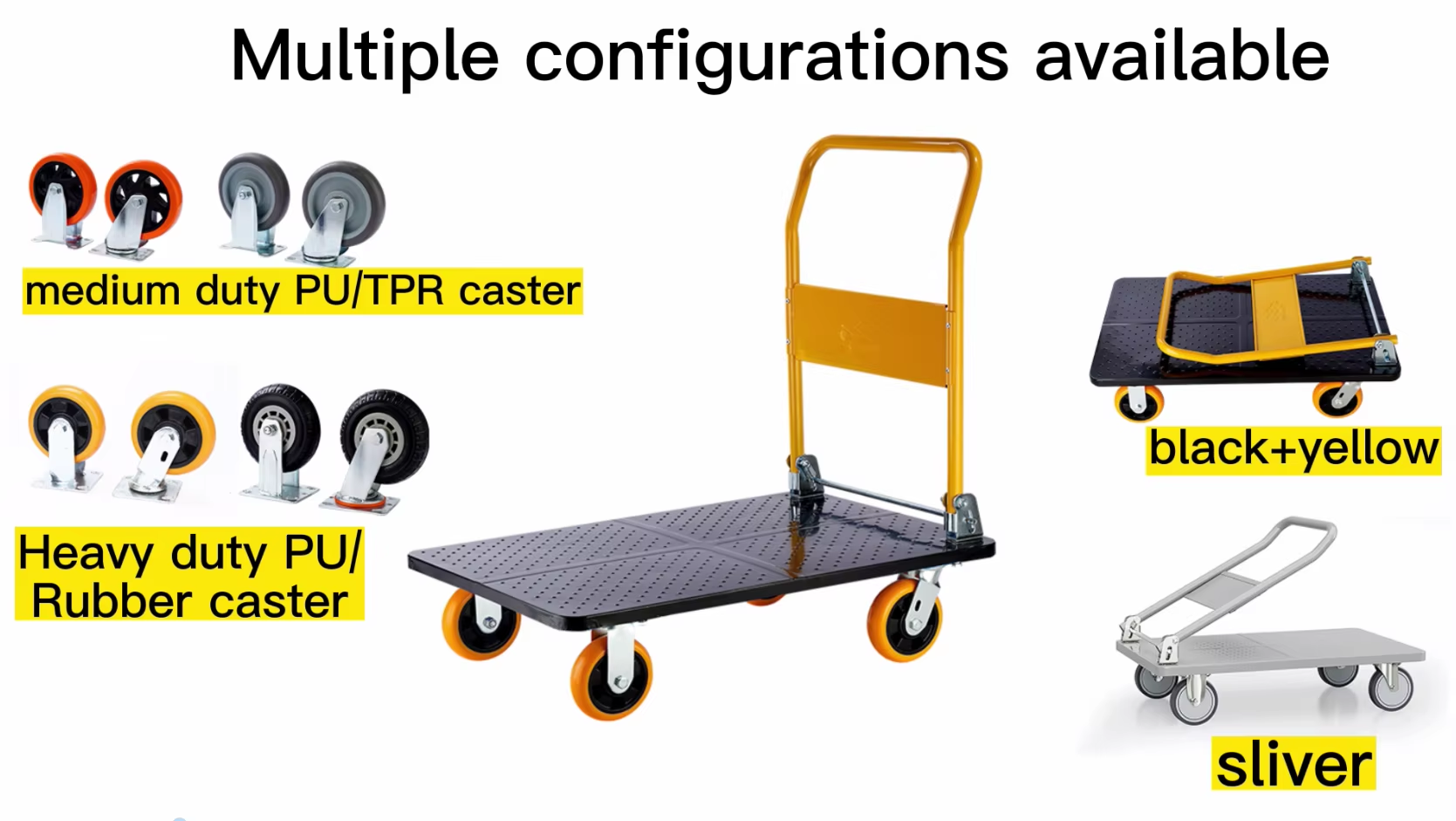
Different materials are used for trolley wheels, each with its unique properties. Here are some common types:
Rubber wheels are known for their excellent shock absorption and quiet operation. They are ideal for indoor use on smooth surfaces but may wear out faster on rough terrains.
Polyurethane wheels are versatile and durable, making them suitable for various surfaces. They offer a good balance between performance and longevity, making them a popular choice for both indoor and outdoor use.
Pneumatic wheels are air-filled and provide excellent cushioning, making them perfect for uneven or rough terrains. They can handle obstacles better than solid wheels but are prone to punctures.
Nylon wheels are lightweight and resistant to wear, making them suitable for heavy loads. However, they may not perform well on soft or uneven surfaces.
Metal wheels are incredibly durable and can handle heavy loads. They are best suited for industrial applications but can be noisy and may damage floors.
The type of terrain where the trolley will be used is a crucial factor in wheel selection. Here's how different terrains affect wheel choice:
For smooth surfaces like concrete or tile, rubber or polyurethane wheels are ideal. They provide a quiet and smooth ride, making them suitable for indoor environments.
For outdoor use or rough terrains, pneumatic wheels are the best option. They can absorb shocks and navigate over bumps and debris effectively.
If the trolley will be used on soft surfaces like grass or sand, larger wheels with a wider tread are recommended. This helps distribute the weight and prevents the trolley from sinking.
The weight that the trolley needs to carry will significantly influence the wheel type. Here are some considerations:
- Light Loads: For lighter loads, plastic or rubber wheels are sufficient.
- Medium Loads: Polyurethane or nylon wheels can handle medium loads effectively.
- Heavy Loads: For heavy-duty applications, metal or reinforced wheels are necessary to ensure safety and performance.
The size and width of the wheels also play a vital role in performance:
- Larger Wheels: Larger wheels are better for rough terrains as they can roll over obstacles more easily.
- Smaller Wheels: Smaller wheels are more maneuverable and suitable for tight spaces but may struggle on uneven surfaces.
- Wider Wheels: Wider wheels provide better stability and weight distribution, making them ideal for heavier loads.
The environment in which the trolley will be used can affect wheel performance. Consider the following:
- Temperature: Extreme temperatures can affect the material properties of the wheels. For instance, rubber may become brittle in cold conditions.
- Moisture: If the trolley will be exposed to water or chemicals, choose wheels made from materials that resist corrosion and degradation, such as polyurethane or stainless steel.
Maneuverability is essential, especially in confined spaces. Consider the following:
- Swivel Casters: These allow for easier turning and navigation in tight areas.
- Fixed Casters: These provide stability but may limit maneuverability.
Choosing the right trolley wheels is crucial for ensuring optimal performance across different terrains. By considering factors such as terrain type, load capacity, wheel size, and environmental conditions, you can select the best wheels for your trolley. Whether you need a trolley for indoor use, outdoor activities, or heavy-duty applications, understanding the various wheel types and their characteristics will help you make an informed decision.
1. What type of wheels are best for indoor use?
- Rubber or polyurethane wheels are ideal for indoor use as they provide a smooth and quiet ride.
2. Can pneumatic wheels be used on smooth surfaces?
- While pneumatic wheels can be used on smooth surfaces, they are best suited for rough terrains due to their shock-absorbing properties.
3. How do I determine the load capacity needed for my trolley?
- Consider the total weight of the trolley plus the heaviest load it will carry, and choose wheels that can support at least 30% more than this total weight.
4. Are larger wheels always better?
- Not necessarily. Larger wheels perform better on rough terrains but may be less maneuverable in tight spaces.
5. What materials should I avoid for outdoor use?
- Avoid wheels made from materials that degrade in sunlight or moisture, such as certain plastics. Opt for durable materials like polyurethane or metal.
Hot Tags: China, Global, OEM, private label, manufacturers, factory, suppliers, manufacturing company