

Views: 220 Author: shunhehandtruck Publish Time: 2025-12-12 Origin: Site


Content Menu
● The Importance of Efficiency in Logistics
>> Understanding Logistics Efficiency
>> Factors Affecting Efficiency
● The Role of Folding Hand Trucks
>> What Are Folding Hand Trucks?
>> Benefits of Folding Hand Trucks
>>> 2. Lightweight and Portable
>>> 3. Increased Load Capacity
● Implementing Folding Hand Trucks in Logistics Operations
● Case Studies: Success Stories in Logistics
>> Company A: Streamlining Warehouse Operations
>> Company B: Enhancing Last-Mile Delivery
● Challenges and Considerations
>> Limitations of Folding Hand Trucks
● Future Trends in Logistics Equipment
>> Sustainability Considerations
In the fast-paced world of logistics, efficiency and safety are paramount. As businesses strive to optimize their operations, the tools and equipment they use play a crucial role in achieving these goals. One such tool that has gained popularity in recent years is the folding hand truck. This article explores how folding hand trucks can enhance delivery efficiency and improve worker safety in the logistics sector.
Logistics efficiency refers to the ability to deliver products to customers in a timely and cost-effective manner. It encompasses various aspects, including transportation, warehousing, inventory management, and order fulfillment. In an industry where time is money, optimizing these processes is essential for maintaining a competitive edge.
Several factors can impact logistics efficiency, including:
- Transportation Costs: Fuel prices, vehicle maintenance, and driver wages all contribute to overall transportation expenses.
- Warehouse Operations: The layout, organization, and technology used in warehouses can significantly affect the speed of order processing.
- Inventory Management: Accurate inventory tracking and management can prevent stockouts and overstock situations, ensuring that products are available when needed.
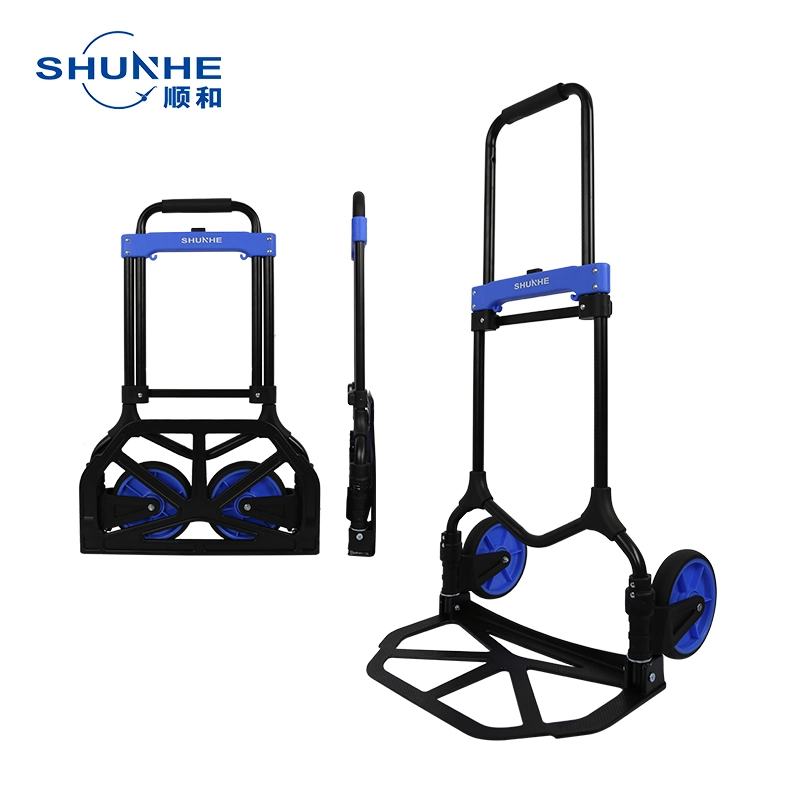
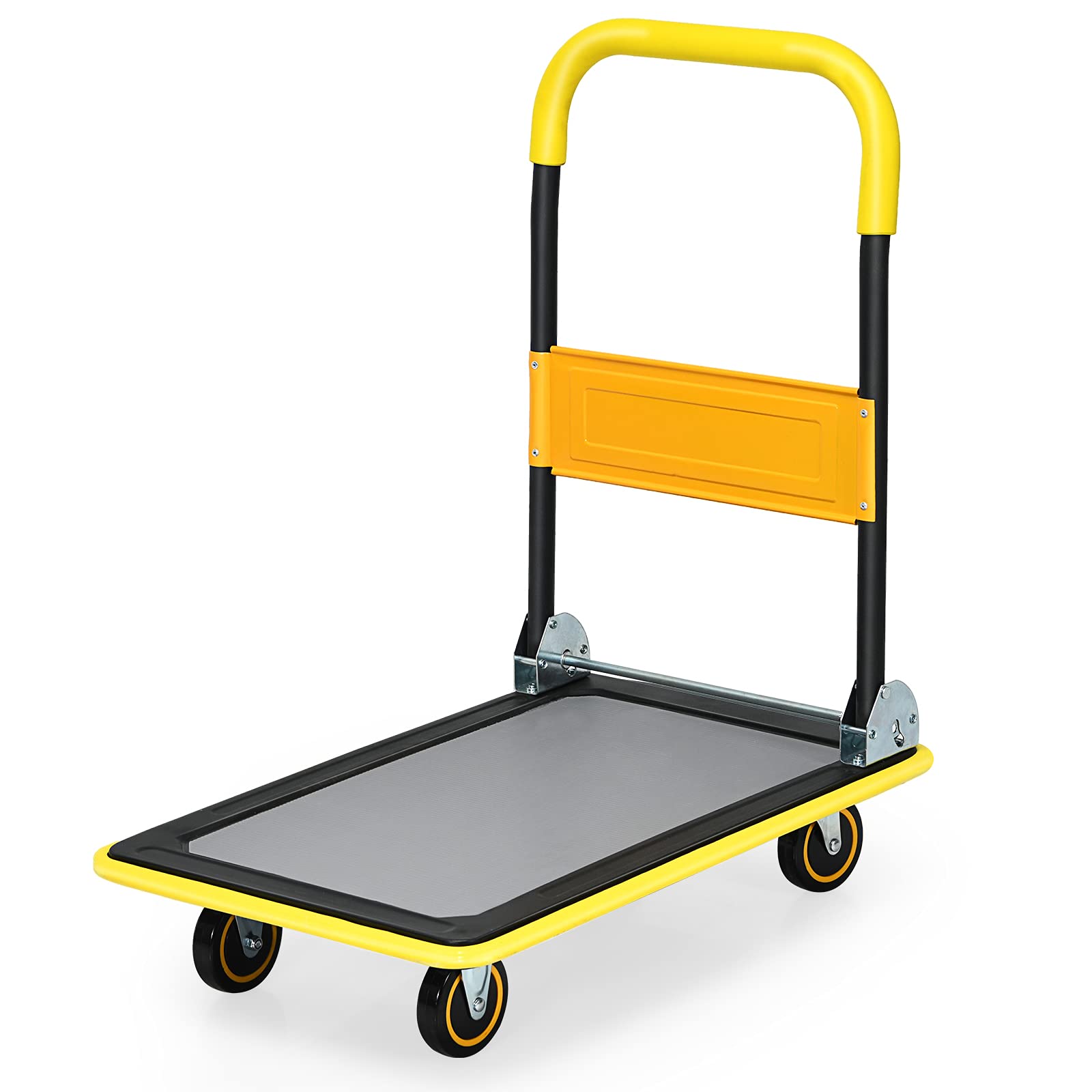
Folding hand trucks are portable, lightweight carts designed to assist in the transportation of goods. They typically feature a collapsible frame, allowing for easy storage and transport when not in use. These hand trucks come in various sizes and weight capacities, making them suitable for a wide range of applications in logistics.
Folding hand trucks offer several advantages that contribute to improved efficiency and safety in logistics:
One of the most significant benefits of folding hand trucks is their compact design. When not in use, they can be easily folded and stored in small spaces, making them ideal for warehouses and delivery vehicles with limited storage capacity. This space-saving feature allows businesses to maximize their storage areas and keep their operations organized.
Folding hand trucks are typically made from lightweight materials, making them easy to maneuver. Workers can transport goods without straining their bodies, reducing the risk of injury. The portability of these hand trucks also allows for quick deployment in various locations, enhancing operational flexibility.
Despite their lightweight design, many folding hand trucks can carry substantial loads. This capability enables workers to transport multiple items at once, reducing the number of trips required to move goods. By consolidating deliveries, businesses can save time and improve overall efficiency.
Worker safety is a critical concern in logistics. Manual handling of heavy items can lead to injuries, including strains and sprains. Folding hand trucks help mitigate these risks by allowing workers to transport heavy loads with minimal physical effort. This reduction in manual handling not only protects employees but also contributes to a more productive work environment.
Before integrating folding hand trucks into logistics operations, businesses should assess their specific needs. Considerations include:
- Load Capacity: Determine the maximum weight that workers typically handle and select hand trucks that can accommodate these loads.
- Frequency of Use: Evaluate how often hand trucks will be used and whether a more robust model is necessary for frequent use.
- Storage Space: Assess available storage areas to ensure that folding hand trucks can be conveniently stored when not in use.
Proper training is essential for maximizing the benefits of folding hand trucks. Employees should be educated on:
- Safe Handling Practices: Teach workers how to use hand trucks safely, including proper lifting techniques and load distribution.
- Maintenance Procedures: Regular maintenance ensures that hand trucks remain in good working condition. Employees should be trained to inspect and maintain the equipment as needed.
After implementing folding hand trucks, businesses should monitor their performance to assess the impact on efficiency and safety. Key performance indicators (KPIs) to consider include:
- Delivery Times: Track changes in delivery times before and after the introduction of hand trucks.
- Injury Rates: Monitor any changes in worker injury rates related to manual handling.
- Employee Feedback: Gather feedback from employees regarding their experiences using folding hand trucks and any suggestions for improvement.
Company A, a mid-sized logistics provider, faced challenges with warehouse efficiency. Workers were often required to make multiple trips to transport goods, leading to delays and increased labor costs. After implementing folding hand trucks, the company saw a significant reduction in delivery times. Employees reported feeling less fatigued, and the overall safety of the warehouse improved.
Company B specializes in last-mile delivery services. The company struggled with the physical demands placed on drivers when delivering heavy packages. By equipping drivers with folding hand trucks, they were able to transport multiple packages at once, reducing the strain on their bodies. This change not only improved delivery efficiency but also enhanced driver satisfaction and retention.
While folding hand trucks offer numerous benefits, they are not without limitations. Some challenges to consider include:
- Weight Limitations: Each hand truck has a maximum weight capacity. Businesses must ensure that they do not exceed these limits to avoid damage to the equipment or injury to workers.
- Terrain Limitations: Folding hand trucks may not perform well on uneven surfaces or stairs. Businesses operating in such environments may need to consider alternative solutions.
Investing in folding hand trucks requires an upfront cost. Businesses should evaluate the potential return on investment (ROI) by considering the time and labor savings associated with improved efficiency and safety.
As technology continues to evolve, so too will the tools used in logistics. Future trends may include:
- Smart Hand Trucks: Integration of technology such as GPS tracking and load sensors to monitor performance and optimize routes.
- Automated Solutions: Development of automated folding hand trucks that can navigate warehouses and transport goods without human intervention.
With increasing emphasis on sustainability, businesses may seek folding hand trucks made from eco-friendly materials. This shift aligns with broader industry trends toward reducing environmental impact.
Folding hand trucks represent a valuable asset in the logistics industry, offering a combination of efficiency and safety that can significantly enhance operations. By assessing needs, training employees, and monitoring performance, businesses can leverage these tools to improve delivery processes and create a safer work environment. As logistics continues to evolve, the adoption of innovative solutions like folding hand trucks will be essential for staying competitive in a rapidly changing landscape.
1. What is a folding hand truck?
A folding hand truck is a portable, lightweight cart designed to assist in transporting goods. It features a collapsible frame for easy storage and transport.
2. How do folding hand trucks improve worker safety?
Folding hand trucks reduce the need for manual handling of heavy items, minimizing the risk of injuries such as strains and sprains.
3. What factors should I consider when choosing a folding hand truck?
Consider load capacity, frequency of use, and available storage space when selecting a folding hand truck for your operations.
4. How can I train employees to use folding hand trucks safely?
Provide training on safe handling practices, proper lifting techniques, and maintenance procedures to ensure employees use folding hand trucks effectively.
5. What are some potential challenges of using folding hand trucks?
Challenges include weight limitations, terrain limitations, and the initial cost of investment. Businesses should evaluate these factors before implementation.
Hot Tags: China, Global, OEM, private label, manufacturers, factory, suppliers, manufacturing company